
Kenya: Western Circuit
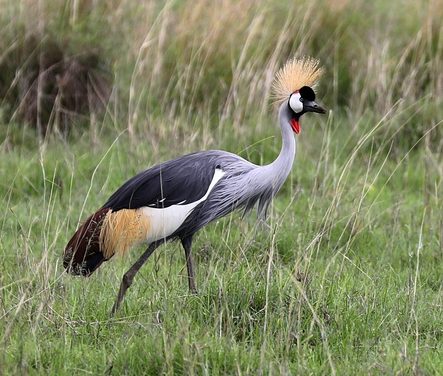
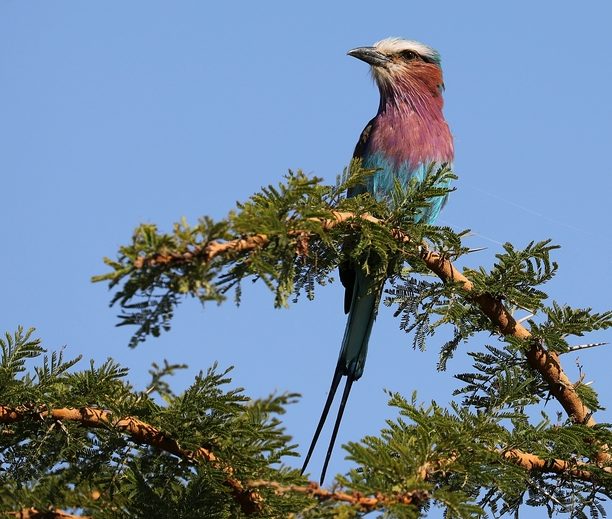
Join our 14-day birding adventure across western Kenya’s most iconic landscapes — from the ancient Kakamega Forest to the vast plains of the Masai Mara. Spot between 450–500 bird species, including forest gems and savanna specialties, alongside Kenya’s magnificent mammals. Guided by expert birders, this unforgettable journey blends vibrant wildlife, stunning scenery, and authentic cultural encounters. Experience the ultimate East African birding expedition — nature at its most spectacular!
Tour dates:
March 16 - 29, 2026 (full)
Summary
This birding tour through western Kenya offers a journey across some of East Africa’s most celebrated ecosystems. After arrival and a brief introduction to Nairobi’s birdlife, the tour heads north to Samburu National Reserve, home to dry-country specialties like the Somali Ostrich, Golden-breasted Starling, and Vulturine Guineafowl, alongside iconic mammals such as Leopard, Grevy’s Zebra, and Reticulated Giraffe. From there, the route continues to Mt. Kenya, where cool montane forests host highland endemics including Hartlaub’s Turaco, Sharpe’s Starling, and Bar-tailed Trogon.
Continuing to the Rift Valley, Lake Nakuru National Park dazzles with its flamingo-lined shores, abundant waterbirds, and classic Big Five mammals. Nearby, Lake Baringo provides contrasting arid habitats, where birders can seek owls, hornbills, and weavers, as well as enjoy a scenic boat ride to observe herons, jacanas, and African Fish Eagles.
The journey then reaches the lush Kakamega Forest, Kenya’s only remnant of the ancient Guineo-Congolian rainforest. Here, participants explore on foot in search of forest treasures such as Great Blue Turaco, African Broadbill, and Blue-headed Bee-eater, while also spotting rare primates and forest antelopes.
Finally, the expedition culminates in the world-renowned Masai Mara National Reserve, a spectacular setting for both birds and mammals. Amid vast grasslands alive with Topi, Elephant, and Giraffe, birders encounter raptors, ground hornbills, nightjars, and colorful weavers.
After a final morning of birding, the group returns to Nairobi for departure, completing a remarkable Kenyan safari rich in diversity, scenery, and unforgettable avian encounters.
Detailed itinerary
Day 1: Arrival and birding around Nairobi
On arrival we will be met by our guide at the airport. We will then proceed to the hotel, crossing the city and enjoying to spot the first birds of the trip. Depending on the arrival time, we will visit a local forest for some birding in the afternoon.
Night in Nairobi.
Days 2-3: Samburu National Reserve
We shall leave early for Samburu. As we approach Samburu, we will keep our eyes open for specialties such as the Straw-tailed Whydah, Steel-blue Whydah, Chestnut-headed Sparrow-Lark, Rufous Bush Chat, Fan-tailed Raven, Bristle-crowned Starling, Fischer's Starling, Magpie Starling, Rüppell's Vulture, Egyptian Vulture, Donaldson-Smith's Sparrow-Weaver, Lichtenstein's Sandgrouse, White-bellied (Variable) Sunbird, and Pink-breasted Lark.
Later, we shall spend time scouting for extra birds as we enjoy the local mammals, such as Leopard, Beisa Oryx, Gerenuk, Grevy's Zebra, Reticulated Giraffe, Lion, and Elephants.
More birds will be expected at Samburu including Somali Ostrich, Somali Courser, Golden Pipit, Golden-breasted Starling, Abyssinian Scimitarbill, Rosy-patched Bushshrike, Pringle's Puffback, Northern Puffback, Northern White-crowned Shrike, White-headed Mousebird, Hunter's Sunbird, Black-bellied Sunbird, Shining Sunbird, Red-billed Hornbill, Eastern Yellow-billed Hornbill, Von der Decken's Hornbill, Black-faced Sandgrouse, Chestnut-bellied Sandgrouse, Fire-fronted Bishop, Somali Bee-eater, Stone Partridge, African Orange-bellied Parrot, Yellow-vented Eremomela, Northern Crombec, Northern Grey Tit, Black-capped Social Weaver, Northern Brownbul, Buff-crested Bustard, African Bare-eyed Thrush, Somali Sparrow, Donaldson-Smith's Nightjar, Dusky Nightjar, Vulturine Guineafowl, Rufous Chatterer, African Mourning Dove, Egyptian Vulture, Bateleur, Martial Eagle, and Tawny Eagle.
Nights in Samburu.
Days 4-5: Mt. Kenya
We shall then drive to the mighty Mt.Kenya forest where many interesting birds will be awaiting us. From the hotel we shall bird near the forest edge and then head deeper into the forest. We shall scan the forest, wetlands and grasslands hoping to find species such as the African Cuckoo-Hawk, Mountain Buzzard, Crowned Eagle, Alpine Swift, Purple-throated Cuckoo-Shrike, Grey Cuckoo-Shrike, Mountain Wagtail, Cape Wagtail, Slender-billed Greenbul, Mountain Yellow-Warbler, Cinnamon Bracken Warbler, Black-throated Apalis, Black-collared Apalis, Chestnut-throated Apalis, White-browed Crombec, Hunter's Cisticola, Silvery-cheeked Hornbill, Crowned Hornbill, African Black Duck, Red-fronted Parrot, Hartlaub's Turaco, Spectacled Weaver, Grey-headed Nigrita, Scaly Francolin, Brown-backed Scrub-Robin, Rueppell's Robin-Chat, Abyssinian Crimsonwing, Abyssinian Ground Thrush, Black-fronted Bushshrike, Malachite Sunbird, Golden-winged Sunbird, Eastern Double-collared Sunbird, Black-headed Waxbill, Olive Ibis, Barred Long-tailed Cuckoo, Slender-billed Starling, Abbott's Starling, Sharpe's Starling, Kenrick's Starling, Waller's Starling, Kikuyu White-eye, Fine-banded Woodpecker, White-headed Wood-Hoopoe, Bar-tailed Trogon, Yellow-crowned Canary, Dusky Turtle Dove, African Green Pigeon, Lemon Dove, African Olive Pigeon, and Eastern Bronze-naped Pigeon.
Montane mammals are also likely, including monkeys, antelopes, mongooses, and genets.
Nights at Mt. Kenya.
Day 6: Lake Nakuru National Park
The Lake Nakuru National Park is famous as a birdwatchers' paradise, and indeed was the first national park in Africa to be set up with an avian conservation objective. Up to a million flamingos have been recorded in this park depending on their regional migration. Most of these are Lesser Flamingos with Greater Flamingos making a smaller population. Other birds include the Woolly-necked Stork, Arrow-marked Babbler, Little Rock-Thrush, Mocking Cliff Chat, White-browed Robin-Chat, Reed Cormorant, Pink-backed Pelican, Pied Avocet, Kittlitz's Plover, Blacksmith Plover, Coqui Francolin, Hildebrandt's Francolin, Black Cuckoo, Levaillant's Cuckoo, African Cuckoo, Grey-crested Helmetshrike, Cape Teal, Brimstone Canary, Hottentot Teal, Red-billed Teal, Dusky Nightjar, Montane Nightjar; with Palearctic water migrants being abundant in the right season. The park is also a great sanctuary for rhinos; without forgetting other three members of the Big Five (Lion, Leopard, African Buffalo), and these may be encountered as we move around the park. Other mammals will be seen, especially herds of grazing herbivores; and the Rothschild's Giraffe.
We shall spend the night in Nakuru.
Days 7-8: Lake Baringo
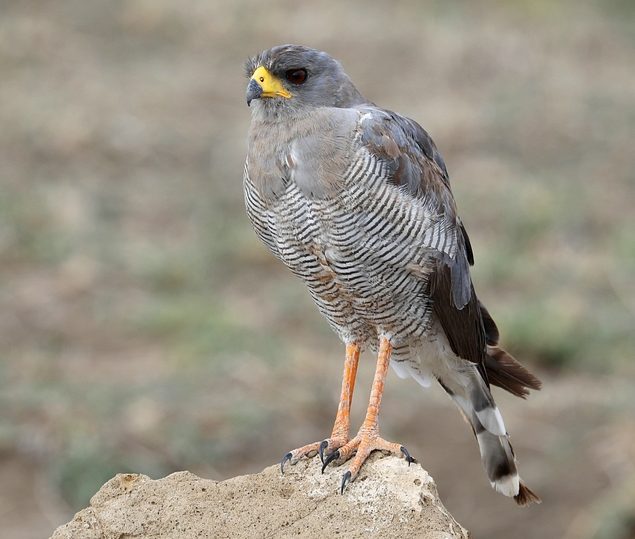
We shall head for Lake Baringo, as we bird along the way. If time allows, we shall stop briefly at a roadside dam near the lake, to check for some waterfowl. We shall drive and walk around the scrubland and the cliffs surrounding the lake, in search of Spotted (& Greyish) Eagle-Owl, Northern White-faced Scops Owl, Shikra, Dark Chanting Goshawk, Verreaux's Eagle, Slender-tailed Nightjar, Donaldson-Smith's Nightjar, Heuglin's Courser, Blue-capped Cordon-bleu, D'Arnaud's Barbet, Black-throated Barbet, Brubru, Grey-headed Bushshrike, Somali Fiscal, Three-streaked Tchagra, Spotted Thick-knee, Senegal Thick-knee, African Pygmy Kingfisher, Nubian Woodpecker, Crimson-rumped Waxbill, Little Weaver, Jackson's Golden-backed Weaver, Northern Masked Weaver, White-billed Buffalo-Weaver, White-bellied Canary, Beautiful Sunbird, Black-headed Plover, Jackson's Hornbill, Yellow-billed Hornbill, Hemprich's Hornbill, Northern Red Bishop, Brown-tailed Rock Chat, Mocking Cliff-Chat, Somali Sparrow and Bristle-crowned Starling, among many other wonderful species of this region. A boat ride of Lake Baringo will be done on one morning, in search of water birds like African Jacana, Black Crake, Goliath Heron, Little Bittern, Purple Heron and White-faced Whistling Duck. The boat ride experience will also help you enjoy the beauty of the lake and see the local African Fish Eagles advertising their territories as they hunt too.
Nights in Baringo.
Days 9-10: Kakamega Forest
These days will be spent exploring the KakamegaForest, a remnant of the Guineo-Congolian Equatorial rainforest. Species diversity here is high and we shall hope to have a huge addition to our species list. We shall spend time walking in the forest in search of local specialties, with short breaks in between.
Here we expect species such as the Yellow-shouldered (-mantled) Widowbird, Little Greenbul, Kakamega Greenbul, Plain Greenbul, Ansorge's Greenbul, Toro Olive Greenbul, Great Blue Turaco, Western Banded Snake-Eagle, Crowned Eagle, Chapin's Flycatcher, Red-headed Bluebill, Oriole Finch, Black-faced Rufous Warbler, Uganda Woodland Warbler, White-chinned Prinia, Buff-throated Apalis, Turner's Eremomela, Green Hylia, Southern Hyliota, Olive-Green Camaroptera, Square-tailed Drongo, Red-headed Malimbe, Black-necked Weaver, Black-billed Weaver, Vieillot's Black Weaver, African Broadbill, Petit's Cuckooshrike, Blue-shouldered Robin-Chat, Snowy-headed Robin-Chat, Grey-throated Barbet, Hairy-breasted Barbet, Yellow-spotted Barbet, Yellow-billed Barbet, Pink-footed Puffback, Green Sunbird, Western Olive Sunbird, Orange-tufted Sunbird, Green-throated Sunbird, Mackinnon's Fiscal, White-spotted Flufftail, Dusky Tit, African Emerald Cuckoo, Klaas's Cuckoo, Bocage's Bush-Shrike, Luhder's Bush-Shrike, Black-crowned Waxbill, White-breasted Nigrita, Bar-tailed Trogon, Least Honeyguide, Buff-spotted Woodpecker, Brown-eared Woodpecker, Yellow-crested Woodpecker, White-headed Wood-Hoopoe, Black-and-white-casqued Hornbill, Equatorial Akalat, White-tailed Ant-Thrush, Blue-headed Bee-eater, Western Black-headed Oriole, Common Wattle-eye, Jameson's Wattle-eye, and Yellow-bellied Wattle-eye. The forest is also great with different unique monkeys, antelopes and squirrel species.
Nights in Kakamega.
Days 11-13: Masai Mara National Reserve
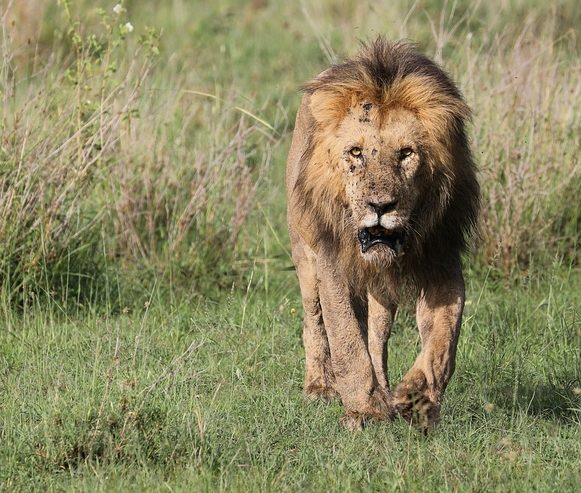
Masai Mara National Reserve is the crown of an African Safari experience. Considered the ultimate wildlife haven in Kenya, this reserve has a lot to offer. From all members of the Big 5 to the numerous herbivores grazing the landscape in huge herds, this place is indeed amazing. Enjoy interesting game drives as you track African Lion, Cape Buffalo, Savannah Elephant, Black Rhino, and Leopard. The reserve is known as the haven of Big Cats, including Leopard, Lion, and Cheetah. Other mammals here will include Topi and Maasai Giraffe.
Birds include Southern Ground-Hornbill, Rufous-bellied Heron, Pennant-winged Nightjar, Square-tailed Nightjar, Dusky Nightjar, Schalow's Turaco, Grey-crested Helmetshrike, Red-necked Spurfowl, Red-winged Francolin, Bare-faced Go-away-bird, Rufous-chested Swallow, Lappet-faced Vulture, Short-toed Snake-Eagle, White-headed Vulture, Ruppell's Vulture, Secretarybird, Grey Kestrel, Temminck's Courser, Rosy-breasted Longclaw, Green-capped Eremomela, Black Coucal, African Quailfinch, Kori Bustard, Bush Pipit, Latakoo Lark, Flappet Lark, Athi Short-toed Lark, Rufous-tailed Weaver, Grey-capped Social Weaver, Karamoja Apalis, Black-backed Cisticola, Long-tailed Cisticola, Pale Wren-Warbler, Usambiro Barbet, Familiar Chat, Sooty Chat, African Wattled Plover, Woolly-necked Stork, Saddle-billed Stork, and Magpie Shrike.
Nights in Mara.
Day 14: Masai Mara to Nairobi and departure
On this day, we shall enjoy some morning birding in the Mara. We shall then start the journey back to Nairobi, as we enjoy birding stops on the way.
Later in the afternoon, we shall arrive in Nairobi. We shall then head to the airport for the flight home; marking the end to our lovely tour.